


Is Your Child Becoming Nearsighted? Here’s How Myopia Management Helps
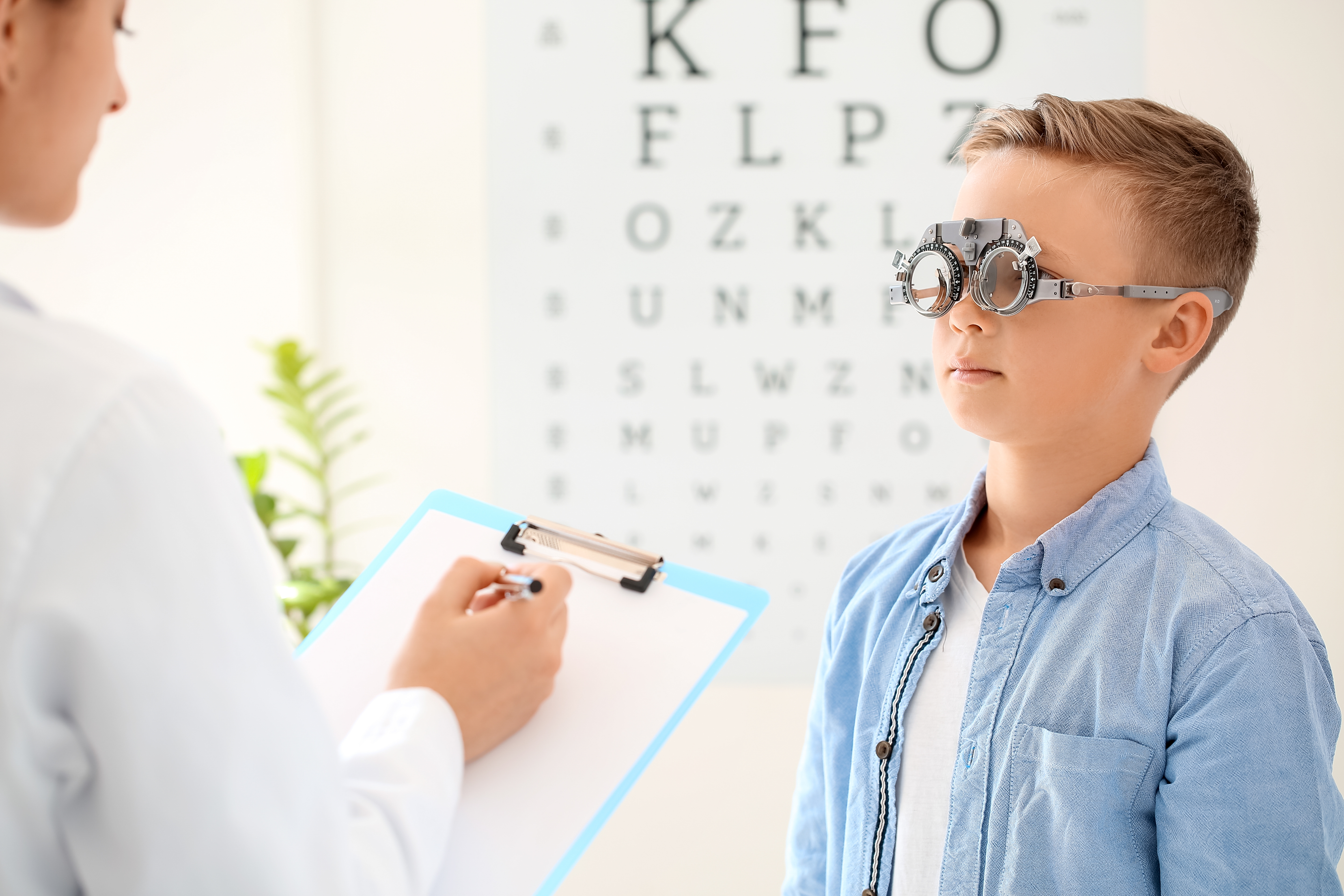
If your child is squinting at the board, moving closer to screens, or complaining that distant objects look blurry, myopia may be developing. Myopia - also called nearsightedness - is becoming more common in children, and it often progresses as they grow. The good news is that myopia management can do more than update a prescription. It can help slow that progression and protect long-term eye health.
Myopia Is More Than a Glasses Prescription
Many parents assume myopia only means a child needs glasses to see clearly. While prescription lenses help with vision, they do not automatically address how quickly myopia is worsening. As myopia progresses, the eye can continue to elongate, which may increase the risk of future eye health concerns. That is why early monitoring matters.
Signs Your Child May Be Becoming Nearsighted
Changes can happen gradually, so children do not always realize their vision is changing. Parents often notice signs first, especially during school years.
- Squinting to see faraway objects
- Sitting very close to the TV or holding devices too near
- Complaints of blurry distance vision
- Trouble seeing the board at school
- More frequent headaches or eye fatigue
If you notice these patterns, a pediatric eye exam is a smart next step.
How Myopia Management Helps
Myopia management is designed to slow the progression of nearsightedness, not just correct blurry vision. This is especially important during childhood, when prescriptions can change quickly. By managing myopia early, we can help reduce the rate of progression and support healthier visual development over time.
This approach is personalized. We look at your child’s prescription, age, eye growth, daily habits, and risk factors before recommending treatment.
Treatment Options Can Be Tailored to Your Child
There is no one-size-fits-all solution for myopia control. Depending on your child’s needs, treatment may include specially designed contact lenses, orthokeratology, or other options intended to slow progression. The goal is to choose a plan that fits your child’s lifestyle while giving us a better way to manage changes over time.
At Luck Optical, we also track progress through regular follow-up visits so we can adjust treatment when needed and keep care on the right path.
Why Starting Early Can Make a Difference
The earlier myopia begins, the more time it has to progress. That is why early diagnosis and timely treatment are so important. Children may not always say their vision is getting worse, but regular eye exams can catch subtle changes before they become bigger problems.
When myopia is identified early, families have more opportunities to take a proactive approach instead of simply reacting to stronger prescriptions year after year.
If you’re noticing signs of nearsightedness, stop by Luck Optical in Fort Worth, Texas - no appointment necessary.

All Eye
Care Services

Keep
In Touch
MAP
Powered by: 