


What’s the Difference Between an Eye Exam and a Contact Lens Exam?
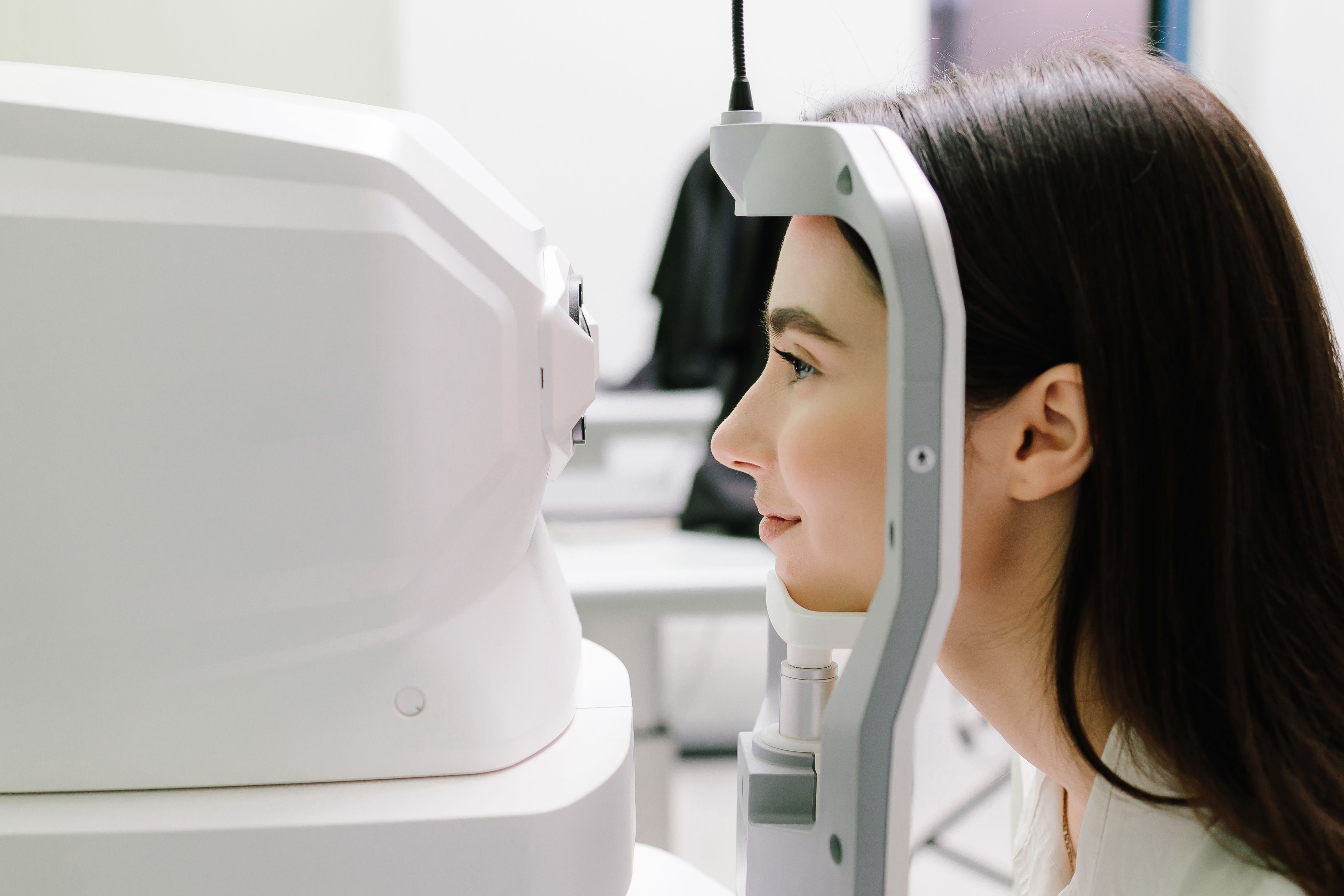
Many people are surprised to learn that a contact lens exam is different from a routine eye exam. While both are important for maintaining clear vision and healthy eyes, they serve different purposes and involve different steps. Understanding the difference can help you know what to expect at your appointment - and ensure you’re getting the care you need.
What Is a Comprehensive Eye Exam?
A comprehensive eye exam focuses on evaluating your overall eye health and visual clarity. This exam is recommended on a regular basis - even if you don’t currently wear glasses or contact lenses.
During a comprehensive eye exam, your eye doctor will:
· Check how clearly you see at various distances
· Determine your prescription for glasses, if needed
· Assess how well your eyes work together
· Screen for eye diseases such as glaucoma, macular degeneration, cataracts, and diabetic eye conditions
· Examine the internal and external structures of the eye to catch early signs of health concerns
How Often Should You Get a Comprehensive Eye Exam?
For most adults, a comprehensive eye exam is recommended once a year. However, your eye doctor may recommend more frequent exams if you:
· Have diabetes or other health conditions affecting vision
· Have a family history of eye disease
· Notice changes in vision or eye comfort
· Are over age 60
Regular eye exams are critical because many eye conditions develop without noticeable symptoms in the early stages.
What Is a Contact Lens Exam?
A contact lens exam is performed in addition to a comprehensive eye exam and includes extra testing that is specific to contact lens wear. Because contact lenses rest directly on the eye’s surface, precise measurements and evaluation are essential.
A contact lens exam involves:
· Eye surface measurements to determine the exact shape and curvature of your cornea
· Evaluating tear film quality to ensure your eyes stay properly lubricated
· Selecting the right lens type, material, and size for your eyes
· Assessing comfort, vision clarity, and lens movement once contacts are placed on the eye
· Education on proper wear, cleaning, and replacement schedules
How Often Should You Get a Contact Lens Exam?
A contact lens exam is typically recommended once a year for contact lens wearers. Annual exams allow your eye doctor to:
· Ensure your lenses still fit correctly
· Monitor eye health and oxygen levels at the cornea
· Update your contact lens prescription if needed
· Catch early signs of irritation, dryness, or infection
Even long-time contact lens wearers should not skip yearly contact lens exams, as eye shape and health can change over time.
Why a Contact Lens Exam Is Not the Same as an Eye Exam
While a comprehensive eye exam determines whether your eyes are healthy and what prescription you need, it does not provide enough information to safely prescribe contact lenses. Contact lenses are considered medical devices, and their fit must be evaluated separately to protect your eye health. This is why contact lens prescriptions are separate from glasses prescriptions and must be renewed regularly.
Do You Need Both Exams?
If you wear - or are interested in wearing - contact lenses, you need both:
· A comprehensive eye exam to assess overall eye health
· A contact lens exam to ensure your lenses fit safely and comfortably
Skipping the contact lens portion can increase the risk of discomfort or eye complications.
Come See Us at Luck Optical for your Comprehensive Eye Exam or Contact Lens Exam Today
Understanding the difference between a comprehensive eye exam and a contact lens exam helps you make informed decisions about your vision care. A comprehensive eye exam protects your eye health, while a contact lens exam ensures your lenses fit properly and feel comfortable. Staying on schedule with both exams is one of the best ways to maintain clear vision and healthy eyes.
If you’re due for a comprehensive eye exam, need a contact lens exam, or want to explore contact lenses for the first time, visit Luck Optical at our office in Fort Worth, Texas - no appointment necessary.

All Eye
Care Services

Keep
In Touch
MAP
Powered by: 